Building in Delhi's Summer: How Extreme Heat Affects Concrete and What to Do
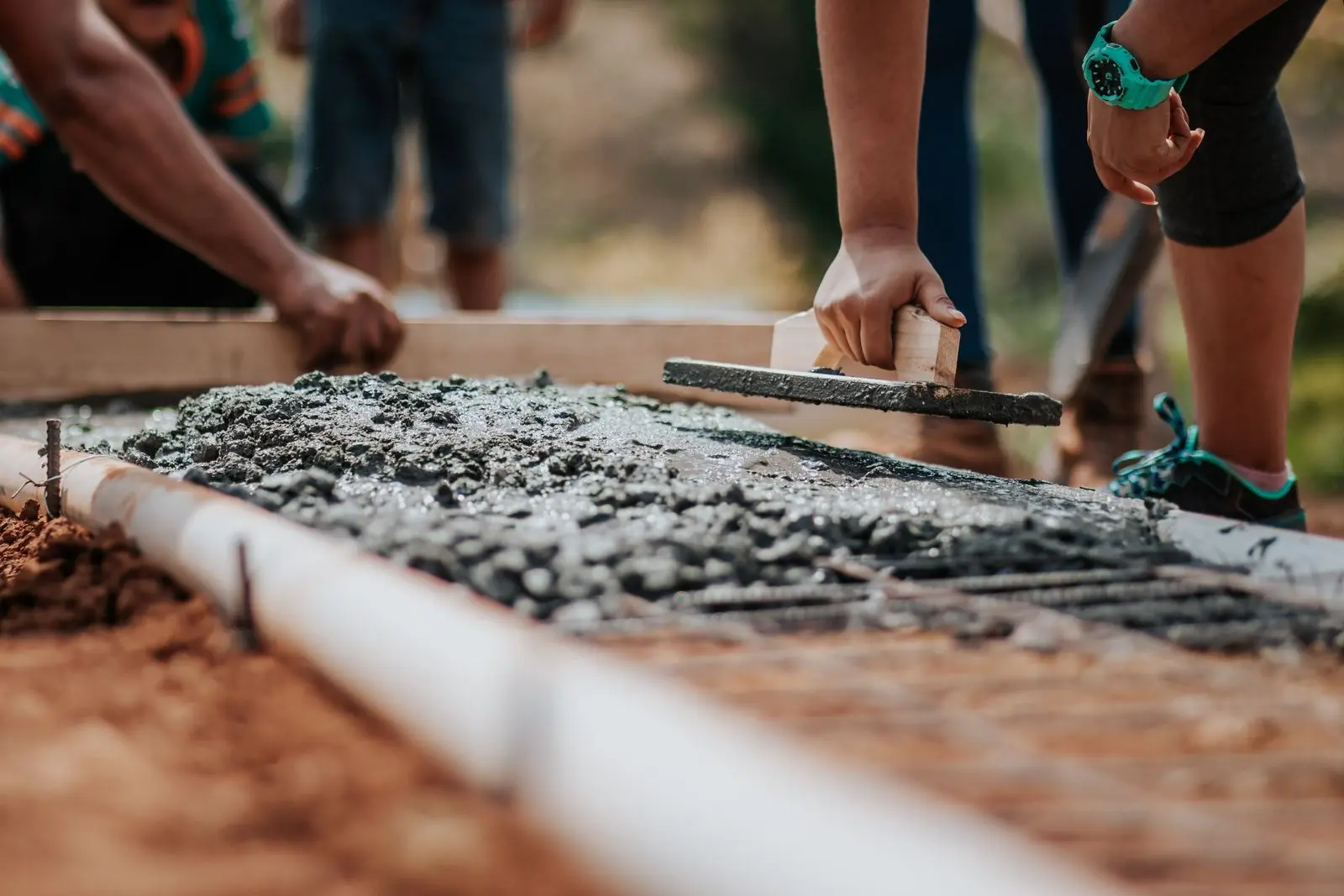
Between April and June, Delhi's heat is severe, and fresh concrete suffers in it. Water evaporates from the mix faster than the concrete can use it, surfaces crack within hours of pouring, and the strength your structure was designed for can quietly fail to develop. None of this means you should avoid building in summer; it means your site must follow hot-weather concreting practice, which Indian standards address specifically: IS 456:2000 (clause 14.1) says concreting in hot weather should follow IS 7861 (Part 1), the recommended practice for hot-weather concreting. Here is what heat does to a build, and the precautions that matter. For where the summer sits in the year's calendar, see our guide to the best time to start construction in Delhi.
What Does Extreme Heat Do to Fresh Concrete?
Three things go wrong in the heat. First, rapid evaporation from the fresh surface causes plastic shrinkage cracks: fine map-like cracks that appear within hours of a pour, weakening the cover concrete that protects reinforcement. Second, concrete sets faster in heat, which shortens the working window; on a large slab this can create cold joints, where one batch hardens before the next is placed against it. Third, and hardest to undo, hot, stiffening concrete tempts crews to add water on site to restore workability. That added water permanently reduces strength. If the mix needs adjusting for summer, it is done at batching with admixtures, never with a bucket at the pour.
When Should Concrete Be Poured in Summer?
Timing is one of the cheapest precautions available. Schedule pours for early morning, starting at first light and finishing before the worst heat, or in the evening as temperatures fall. For large slab pours, consider concreting at night, when the concrete is placed and sets in cooler air. Coordinate ready-mix deliveries tightly: a transit mixer that waits an hour in mid-afternoon traffic delivers hotter, stiffer concrete. Before any pour, the shuttering, reinforcement, and base should be sprinkled with water; hot steel and dry surfaces will otherwise pull moisture straight out of the mix on contact.
How Should Curing Change in Hot Weather?
Curing is where summer projects are won or lost; it is cheap insurance for strength, and one of the first things careless sites skip. In hot weather, curing must start earlier and run longer. Slabs should be covered with wet hessian or gunny bags as soon as the surface can take them, and ponding (low water-filled bunds across the slab) should follow for the curing period. IS 456:2000 (clause 13.5.1) sets the minimums: exposed concrete kept continuously wet for at least 7 days with ordinary Portland cement and at least 10 days with blended cements such as PPC, not less than 10 days for any concrete exposed to dry and hot weather, and preferably 14 days for blended cements. Those are minimums, not targets. Columns and walls cure under wrapped wet hessian kept continuously damp; a curing compound, which the code allows in place of moist curing only with the engineer-in-charge's permission (clause 13.5.2), is a fallback where water curing is genuinely impractical, not a labour-saving substitute. Our stage-by-stage quality checklist covers how to verify curing is actually happening on your site.
Brickwork, Plaster, and Paint in the Heat
The same evaporation problem affects every wet trade. Red bricks and fly ash bricks must be properly soaked before laying; dry bricks suck water out of the mortar and the bond does not develop properly. AAC blocks need less water but the thin-bed adhesive still needs a dust-free, lightly dampened surface. IS 1661, the code for cement plaster, asks for finished plaster to be kept wet for at least seven days and protected from extremes of weather (clause 16.2), and suggests hanging wet mats or gunny bags on sunny and windward walls in hot, dry weather (clause 16.1); uncured plaster is prone to shrinkage cracks and can later sound hollow. Exterior painting has its own rule: avoid painting sun-baked west and south walls in the afternoon, when paint dries too fast to level and bond properly; chase the shade around the building instead.
What About Worker Safety During Heatwaves?
Delhi's summer heatwaves are a genuine safety hazard, and a well-run site treats them that way: work hours shifted to early morning and evening with a long midday break on heatwave days, drinking water and shade available at all times, and rotation for crews on exposed slab work. Heed IMD heat warnings. There is a scheduling truth inside this too: output per day genuinely dips in peak summer, so an honest contractor builds that into the timeline rather than promising winter-pace progress and quietly cutting curing corners to fake it.
The Upside of Summer Construction
Summer building has real advantages alongside the precautions. Days are long, rain delays are rare before the monsoon, material movement is unhindered, and structural work completed before the rains then gets the monsoon's humidity as free curing, a sequence that suits concrete well. A sound Delhi schedule often runs structural work through summer deliberately, with finishing trades moving indoors as the rains arrive; our guide to timing your construction start maps the full calendar.
Nirman Ved runs every summer site it takes on under hot-weather protocols: pour timing, mandatory curing schedules tracked by the project manager, and weekly photo updates so clients can see the hessian and ponding for themselves rather than take our word for it. Planning a build that will run through a Delhi summer? Call +91-7838355055 or book a free consultation on scheduling it right.
Ready to Start Your Project?
Get a free site inspection and detailed cost estimate from Nirman Ved.
Get Free Consultation