Construction Guides & Tips for Delhi Homeowners
Expert advice on construction costs, Vastu tips, building regulations, material selection, and maintenance best practices for Delhi NCR.

Altering a DDA Flat in 2026: What You Can Do Without Permission, What Needs DDA or MCD Approval, and the New Rights for Upper Floors
The DDA revised its policy on additions and alterations in DDA flats from 1 July 2026. The sixteen jobs you can do without telling anyone, the six that need intimation or permission, the three that add covered area, the new right of upper-floor owners to build on the terrace below, the papers and certificates an application needs, and what to check before a wall comes down.

MPD-2047 for Delhi House Owners: What the New Master Plan Changed for Plotted Houses, Parking, Basements and Mixed Use
The Master Plan for Delhi 2047 took effect on 20 August 2026 and supersedes MPD-2021. For a plotted house, coverage, FAR, height and setbacks are unchanged. What did change: fewer flats on plots above 250 sqm, a compulsory stilt on plots of 100 to 750 sqm, a parking space for every plot, a new basement rule, no new mixed-use streets, and several MPD-2021 sentences that are simply gone. Plus what happens to a plan approved before the change.
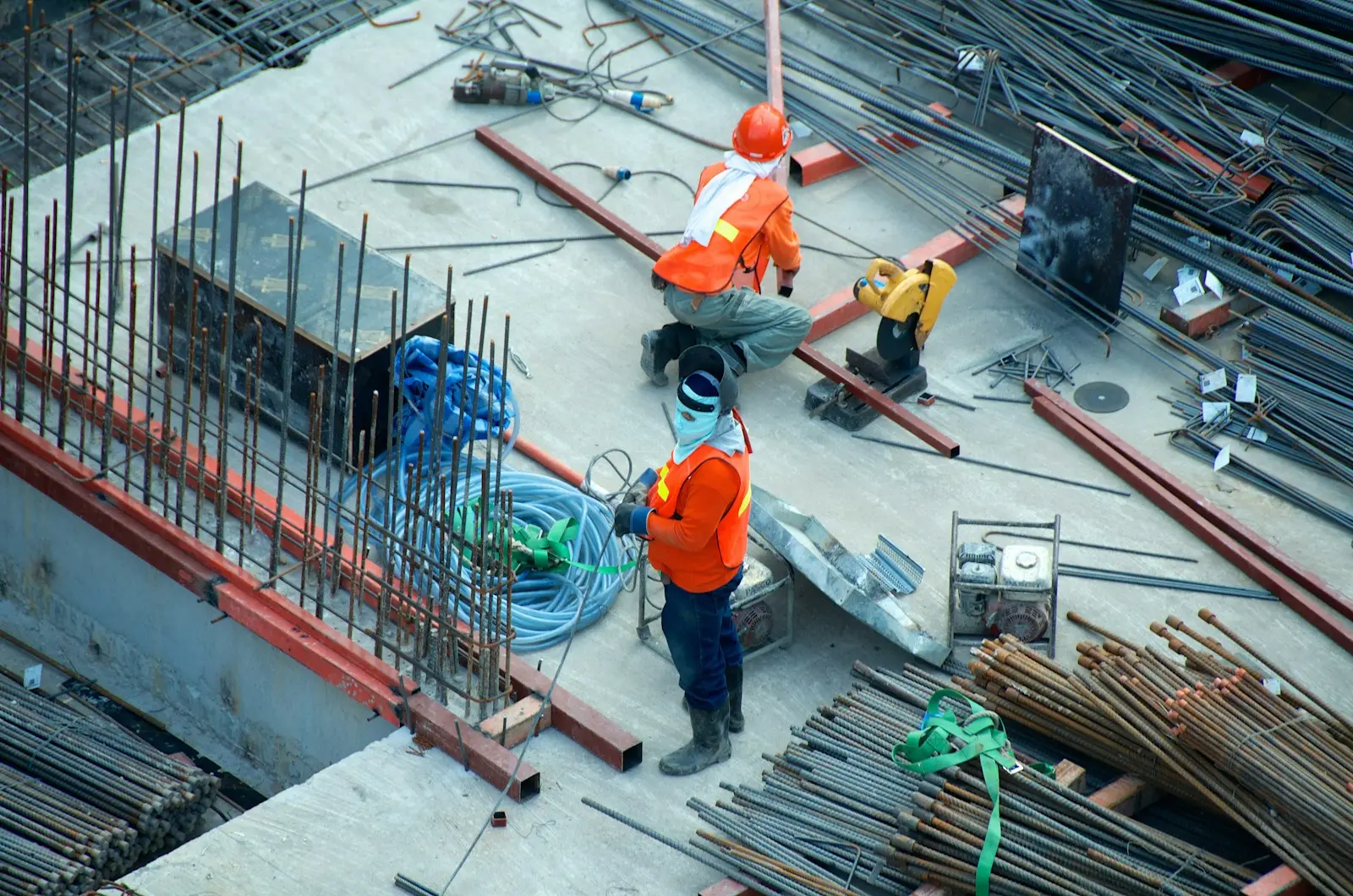
Slab Thickness, Column Size and Beam Size for a Delhi House: What the Codes Set, What Seismic Zone IV Adds, and Who Decides the Final Numbers
No code gives one slab thickness or one column size for a three-storey house; your structural engineer works them out for your spans, loads and soil. But in Delhi, which is in seismic zone IV, the codes set hard floors: columns no smaller than 300 mm, beams no narrower than 200 mm, concrete of M20 or better, and special care for stilt floors. What IS 456, IS 13920 and IS 1893 require, what the arithmetic gives for common spans, and the questions to put to your engineer.

Red Brick, Fly Ash Brick or AAC Block for a Delhi House? Strength, Weight, Water Absorption, Where Each Belongs, and the Fly Ash Rule
In an RCC-framed Delhi house the walls fill the frame rather than carry it, so the choice between red bricks, fly ash bricks and AAC blocks turns on weight, cracking, moisture and workmanship. What the Indian standards require of each, where each belongs from the foundation to the parapet, how each must be laid, and what the central fly ash notification says about building within 300 km of a coal power plant, which includes Delhi.

Anti-Termite Treatment Before Building a House in Delhi: The IS 6313 Stages, the Chemicals Allowed, and How to Check It Was Done
Anti-termite treatment for a new house is a chemical barrier laid in the soil in stages, from the foundation pits to the plinth to the perimeter, and once the floor is down it cannot be laid the same way again. What the 2022 revision of IS 6313 allows and requires, the dose at each stage, the weather and timing rules, how to check the contractor actually did it, what treatment of an existing house involves, and why no code gives the treatment a lifespan.
Unauthorised Colony Regularisation in Delhi, 2026: What the As-Is Where-Is Rules Mean for Your House, a Rebuild, and the Deadlines
Since April 2026, 1,511 unauthorised colonies in Delhi can be regularised as they stand, without approved layout plans. The two documents an owner needs and the order to get them in, what regularising an existing house costs under the MCD's August 2026 circular, the road-width surrender and FAR rules that apply the day you rebuild, and the 31 October and 31 December deadlines.
CBSE School Building Norms for Delhi in 2026: Land, Classroom and Lab Sizes, Sections per Built-Up Area, and the Building Rules on Top
A CBSE school in Delhi needs 1,600 sqm of land up to the secondary level and 2,400 sqm up to senior secondary, classrooms of 8 m by 6 m and labs of 9 m by 6 m, and since July 2025 its sections are counted from its built-up area. The 2025 and 2026 circulars, the Delhi bye-law and MPD-2047 rules a school building must also meet, and what a new block costs at our published rates.

Bathroom Leakage From the Floor Above: How to Find the Source, the Fixes That Last, and What They Cost in a Delhi Builder Floor
A stain or drip under the bathroom of the flat above comes from a pressurised supply pipe, a drain connection, or water getting through the tiles into failed waterproofing or a rubble-filled sunken slab. How to tell which with simple tests, the fixes from regrouting to a full strip-and-redo, what they cost at our published rates, how the paperwork bears on who pays, and why the work belongs before winter.
House Below Road Level in Delhi: Raise the Floor, Lift the House or Rebuild? What the Bye-Laws Say and What Each Fix Involves
When the lane outside has climbed to your floor level or above it, there are three real fixes: raise the floor inside, lift the house on jacks, or rebuild with a new plinth. What Delhi's bye-laws say about plinth, room and building heights, the stopgaps that keep water out this season, the limits of each fix, and the four measurements that decide between them.
Staircase Design for a Delhi House: The Bye-Law Sizes, Where Vastu Puts It, and How Much Space It Takes on a Small Plot
Delhi's bye-laws set the minimum width, tread, riser and headroom of a house staircase, and on a residential plot the stair counts in your FAR. The sizes clause by clause, the space a two-flight stair takes on a 50, 100 and 200 gaj plot, where vastu places it, which type suits a small house, and the mistakes to avoid.
Completion Certificate and Occupancy Certificate in Delhi: How the MCD Issues It, What It Costs, and What Happens If You Move In Without One
In Delhi the completion certificate and the occupancy certificate are one document, the occupancy-cum-completion certificate, and the law says nobody may occupy a building until it is granted. What the Unified Building Bye-Laws ask you to submit, who inspects, how long the MCD has, what 'deemed OCC' means, the fees on the MCD's current schedule, the shortcut for plots up to 105 sqm, and why applications fail.
Earthquake-Resistant House Construction in Delhi: What Seismic Zone IV Requires of Your Design, Your Contractor and Your Old House
Delhi sits in seismic zone IV, the second-highest on India's zoning map, and the Satya Niketan collapse has given owners reason to ask what that means for the house they are building or already live in. What the building bye-laws require, what an earthquake-resistant RCC frame actually involves, the government's self-assessment written for Delhi's brick houses, how old buildings are strengthened, and why earthquake resistance is not an optional extra.
Can You Run a Shop, Clinic or Office From a Residential Plot in Delhi? The Mixed Use Rules, Charges and Building Work Explained
Delhi's new master plan, MPD-2047, allows non-residential activity in a residential plot in defined cases and forbids it in others, and the difference is a fee versus a sealing notice. The routes: professional activity, a small shop, clinics, PGs and other 'public and semi-public' uses on roads of a minimum width, and commercial activity on streets already notified or on roads 30 m wide. What changed from MPD-2021, what is never allowed, the MCD's one-time charges, the parking rule, and the building work a conversion involves.
Rooftop Solar on a Delhi House in 2026: The Subsidies Now on Offer, and the Terrace Work to Finish Before the Panels Go Up
Two subsidies now stack on a Delhi rooftop: the Centre's PM Surya Ghar assistance of up to ₹78,000 and, since the Delhi Cabinet's decision of 1 September 2026, a matching state subsidy that promises a 3 kW plant at zero upfront cost to households using up to 400 units a month. Before any vendor visits, the terrace has to be ready: waterproofed, structurally sound, and finished before GRAP. Here is what to do, in what order.

Warehouse Construction Cost in Delhi NCR 2026: PEB vs RCC, What Drives the Rate, and the Approvals a Godown Needs
Warehouse construction in Delhi NCR runs from ₹1,400 per sqft for a basic pre-engineered steel building to ₹3,000 per sqft for an insulated, fire-protected RCC warehouse, and two questions decide where a project lands: the structure and what will be stored. What each system includes, the drivers that move the rate, where a godown may lawfully stand under the new master plan, MPD-2047, and the risk-based approvals, fire clearance and fees the bye-laws set for storage buildings.

Structural Audit of a Building in Delhi: Who Needs One, What Is Tested, and What the Report Leads To
A structural audit is an engineer's condition assessment of a building, and after the Satya Niketan collapse Delhi has announced that PGs, nursing homes, schools and other public-use buildings will need one periodically. Who should commission an audit now, who is allowed to sign it, which tests are used, what decides the fee, and what happens after the report.
MCD Notice for Unauthorised Construction in Delhi: What Can Be Regularised and What Must Come Down
After the Satya Niketan collapse the MCD ordered illegal constructions above four floors sealed, and owners who have never dealt with a municipal notice may now be reading one. What each kind of notice means under the DMC Act, how long you have, what the building bye-laws allow to be regularised for a fee, what can never be regularised, and how the rectification work is done.
How to Check if a Builder Floor or PG Building in Delhi Is Legal and Safe Before You Buy or Rent
The building that collapsed in Satya Niketan had no sanctioned plan on record and an unauthorised basement, and nothing about that was visible from the room a student was renting. The documents to ask for, the floor and flat limits to count against, what to look at in the stilt and basement, the fire exits to find, and the structural signs a non-engineer can see.
Fire NOC in Delhi 2026: Which Buildings Need One, What the Amended Rules Add, and the Building Work Involved
Delhi notified amended fire safety rules on 28 August 2026, with a six-metre fire engine access and 18 categories of safety measures, but they take effect only when the DDA notifies the amended building bye-laws. Which buildings need fire clearance today, what changes, how long a certificate lasts, and why most of the cost is building work.
Column Jacketing and Structural Strengthening of Old Buildings in Delhi: Methods, Limits, and When to Rebuild
Column jacketing casts a new reinforced concrete sleeve around a weak column so that old and new carry load together. How the work is done step by step, how it compares with steel plate bonding and fibre wrapping, what decides the cost, the ways it goes wrong, and how to tell when an old Delhi building should be rebuilt instead.
House Painting Cost in Delhi Before Diwali 2026: Rates, What Is Included, and the Date You Cannot Miss
A Diwali repaint costs from ₹18 to ₹55 per sqft of painted surface at our published tiers, and this year it has a hard deadline: Diwali is 8 November and last winter GRAP banned painting outright from 11 November. What each tier includes, what decides how long the work takes, and how to sequence it after the monsoon.
What Can You Build on a 100, 150 or 200 Gaj Plot in Delhi? Coverage, FAR, Floors and Cost Explained
Delhi's new master plan, MPD-2047, fixes ground coverage, FAR, dwelling units, height, setbacks and parking by plot size, and makes a stilt compulsory on plots above 100 sqm. What that means in square feet for three common Delhi plot sizes, how many floors fit, what counts toward FAR, and what building to full potential costs at our published package rates.
Collaboration With a Builder or Build It Yourself? What Delhi Plot Owners Give Up in a Collaboration Deal
In a collaboration the builder funds and builds, keeps floors to sell, and you get the rest without spending. Building it yourself costs money up front and keeps every floor. How the deal works, what you give up, what self-build costs at our rates, and how to compare the two.
Building Safety Certificate and Structural Audit for Delhi Schools: Who Signs It, What It Covers, and When to Do the Repairs
Every CBSE school needs a Building Safety Certificate from a government engineer and a Fire Safety Certificate from the fire service, and Delhi has announced periodic structural audits for schools after the Satya Niketan collapse. What each certificate is, what an audit inspects, what usually fails in an old school block, and how to schedule repairs around the academic year and GRAP.
Demolishing an Old House in Delhi Before You Rebuild: Permission, Malba Rules, Salvage, and Why It Must Finish Before November
Demolition needs notice to the municipal corporation under the building bye-laws, the debris has to go through MCD's malba system under rules that took effect in April 2026, and GRAP Stage III bans both demolition and the transport of demolition waste. The permission, the malba route, what can be salvaged, what drives the cost, and the calendar that works.
GRAP Construction Restrictions in Delhi: What Is Banned, What Is Allowed, and How to Plan for Winter 2026-27
Between November and late January last winter, GRAP halted most outdoor construction in Delhi three times, for about six weeks in all. Which activities Stage III bans, what indoor work can continue, how long the stoppages ran in 2025-26, and how to schedule a build or renovation around them.
Post-Monsoon Home Repair Checklist for Delhi: What to Fix Between September and Diwali
September to early November suits repairs in Delhi: dry surfaces, milder heat, and no Stage III ban yet. A room-by-room inspection list after the rains, the jobs that must be finished before the winter construction ban, and what each costs at our published rates.
Bathroom and Kitchen Renovation Cost in Delhi 2026: What the Price Includes and What Drives It
At our published renovation rates, a 40 to 50 sqft bathroom works out to roughly ₹60,000 to ₹1.5 lakh and an 80 to 120 sqft kitchen to ₹1.2 to 3.6 lakh, depending on tier. What each tier includes, why wet areas carry more work per square foot, and how to phase the work while living in the house.
GST, TDS and Labour Cess on House Construction in Delhi: The Taxes Homeowners Actually Pay in 2026
A turnkey house contract carries 18% GST, a pure labour contract for a single house is exempt, contractor payments above ₹50 lakh a year need 2% TDS, and a 1% welfare cess applies above the ₹50 lakh own-home exclusion. The rules, with sources and a worked example.
Installing a Home Lift in a Delhi House: Permits, Space Requirements, and What Drives the Cost
You can add a lift to an existing Delhi house, and for low-rise plotted homes the bye-laws exempt it from a fresh building permit. What you do need is the Labour Department's permission to erect and licence to work. The approvals, the shaft and pit a lift needs, the civil work, and what drives cost.
When Is the Best Time to Start House Construction in Delhi? A Month-by-Month Guide
February to early March is the window we recommend for breaking ground in Delhi: it puts the foundation and frame into the dry months before the monsoon and leaves the most time for outdoor finishing before the winter GRAP construction bans. A month-by-month calendar, the trade-offs of an October start, and what to do if your dates are fixed.
Rainwater Harvesting in Delhi: Is It Mandatory, What It Costs, and How to Install It
Delhi's building bye-laws make rainwater harvesting part of building sanction on plots above 105 square metres, and DJB's tariff rules have tied the water bill to it, with a rebate for working systems and enhanced billing for large plots without one. What the rules require, what drives the cost, and how to retrofit a system.
Is Your Building Structurally Safe? 10 Warning Signs Delhi Homeowners Should Never Ignore
Many buildings that fail in the rains show visible warning signs first. The 10 signs that matter, the cracks that don't, and what decides the cost of a structural audit.
Can You Add a Floor to an Existing House in Delhi? Rules, Structural Checks, and Costs
Yes, you can add a floor to an existing Delhi house if your FAR has headroom, the structure can carry the load, and MCD sanctions the revised plan. What the rules allow, how engineers verify strength, and what the addition really costs in 2026.
What Should a House Construction Agreement Include? 12 Clauses That Protect You
Many construction disputes trace back to a page that was never written. The 12 clauses a house construction agreement should contain, from material brands and capped escalation to delay penalties and structural warranty, and the wording that makes each one enforceable.
Turnkey vs Labour-Rate Contract: Which Is Better for House Construction in Delhi?
There are two standard ways to build in Delhi: turnkey, where one company delivers everything (our packages run ₹1,500-4,500 per sqft), and labour-rate, where you buy every material yourself. Labour-rate looks cheaper on paper. Here is the honest comparison of cost, risk, and time.
Why Do Walls Get Damp During the Monsoon? Causes, Fixes, and Costs for Delhi Homes
If your walls turn damp every monsoon, the water is usually entering from one of five places: a terrace above, an exposed outer wall, a hidden pipe, the ground below, or the air itself. How to tell which one you have, how each fix is priced, and why repainting alone does not work.
House Construction Quality Checklist: How to Inspect Your Site at Every Stage
Many construction defects are preventable if caught at the right stage, and hard to verify once covered up. A practical stage-by-stage inspection checklist any Delhi homeowner can follow, no engineering degree required.
Should You Start House Construction Before the Monsoon in Delhi?
The monsoon typically reaches Delhi by late June. Here's what that means if you break ground now, which construction work can continue through the rains, and why an October start is often the smarter schedule.
Terrace Waterproofing in Delhi: Methods, Costs, and How Long Each Lasts
Our terrace waterproofing is priced at ₹45, ₹85 or ₹150 per sqft depending on the system. A comparison of coatings, APP membranes, and PU systems: what each costs, what warranty it carries, and when to use which.
Pre-Monsoon Building Maintenance Checklist for Delhi Homes and Societies
The monsoon reaches Delhi by late June, and the small defects you ignore in May become the leaks, short circuits, and seepage of July. A 12-point checklist for homeowners and RWAs to work through before the rains.
Basement Construction in Delhi: Rules, Costs, and Waterproofing Essentials
Basements are permitted in Delhi homes within building bye-law limits, but they cost more per sqft than a normal floor and live or die by their waterproofing. The rules, the real costs, and the risks to plan for.
School Building Maintenance in Delhi: Making the Most of the Summer Vacation Window
Delhi schools get one real maintenance window a year: the summer vacation. How to plan and sequence painting, plumbing, electrical, and waterproofing work so the building is ready when students return in July.

How to Choose a Vastu-Compliant Plot in Delhi: Shape, Slope, and Direction
Rooms can be rearranged and entrances repositioned, but the plot itself can never be corrected. What Vastu Shastra says about plot shape, slope, roads, and facing, and how to apply it when buying in Delhi.
Home Construction Loan in Delhi: How Stage-Wise Disbursement Works
A construction loan is not a home loan; the bank releases money in tranches tied to construction progress, not as a lump sum. How disbursement works, what documents banks ask for, and the mistakes that stall payments.
Building in Delhi's Summer: How Extreme Heat Affects Concrete and What to Do
Delhi's heat between April and June is hard on fresh concrete, which loses water faster than it gains strength. The hot-weather precautions that separate a sound summer build from a cracked one.
Stilt + 4 Floors in Delhi: What the Rules Allow on Residential Plots
Residential plots in Delhi can build stilt parking plus four floors within the height cap and FAR limits, and under MPD-2047 the stilt is now compulsory on plots above 100 sqm and up to 750 sqm. What counts as a stilt, why the format has a hidden seismic risk, and what to verify before you design.
Soil Testing Before Construction in Delhi: Why It Matters and What Drives the Cost
A soil test takes about a week and tells your structural engineer what the ground can carry. What the test involves, what drives the fee, why Delhi's soil varies street to street, and what the report changes.
How Should You Pay Your Construction Contractor? Milestone Payment Schedules Explained
The payment schedule decides who holds leverage on your construction project. A safe milestone structure: the stages to pay against, retention money, and the red flags that signal trouble ahead.
How to Choose a Construction Contractor in Delhi: 12 Questions to Ask Before You Sign
Choosing who builds your house shapes every material and design choice that follows, and it is expensive to get wrong. Twelve questions that separate professional builders from expensive mistakes.

Can You Build a House in Delhi Under ₹20 Lakhs in 2026?
Yes, it is possible to build a house in Delhi under ₹20 lakhs in 2026. Here's exactly how to do it, including the cost breakdown, trade-offs, and where in Delhi it's most feasible.
Builder Floor vs Independent House in Delhi: Which Should You Build?
A detailed comparison of builder floors and independent houses in Delhi, covering construction cost, FAR utilisation, rental potential, resale flexibility, and lifestyle differences.
10 Essential Vastu Tips for New House Construction in Delhi
From entrance placement to kitchen direction: the Vastu Shastra guidelines every homeowner in Delhi should follow when building a new house.
MCD Building Approval Process in Delhi 2026: Complete Step-by-Step Guide
Navigate Delhi's MCD building plan approval process with confidence. This step-by-step guide covers online applications, documents, fees, timelines, and common rejection reasons.
How Much Does Building Maintenance AMC Cost in Delhi in 2026?
Nirman Ved's building maintenance AMC runs from ₹2 to ₹7 per sqft per month depending on scope, with hospitals priced custom after a free building audit. What's included, how to evaluate the economics, and why preventive maintenance beats ad-hoc repairs.

Which Direction Should Your Kitchen Face? Vastu Tips for Delhi Homes
South-east is the ideal kitchen direction as per Vastu Shastra. Learn the reasoning behind kitchen placement, what to do when south-east isn't available, and detailed Vastu guidelines for stove, sink, and storage.
How Long Does It Take to Build a House in Delhi? Complete 2026 Timeline
How long a house takes to build in Delhi depends on the floors, the approvals, the concrete's curing periods and the season. Here are the stages from foundation to handover, what sets the pace of each, and the factors that cause delays and how to avoid them.
Should You Renovate or Rebuild? A Delhi Homeowner's Guide for 2026
At Nirman Ved's rates, renovation costs ₹800-3,000/sqft while rebuilding runs from ₹1,500/sqft upward, with demolition quoted separately. But cost alone shouldn't decide. Learn when renovation makes sense, when rebuilding is the smarter investment, and how to decide for your Delhi property.
What Are the Best Construction Materials for Delhi's Climate in 2026?
Delhi's extreme heat, monsoon rains, and winter fog demand specific material choices. This guide covers the best cement, steel, bricks, sand, waterproofing, and finishing materials for building in Delhi in 2026.