Home Construction Loan in Delhi: How Stage-Wise Disbursement Works
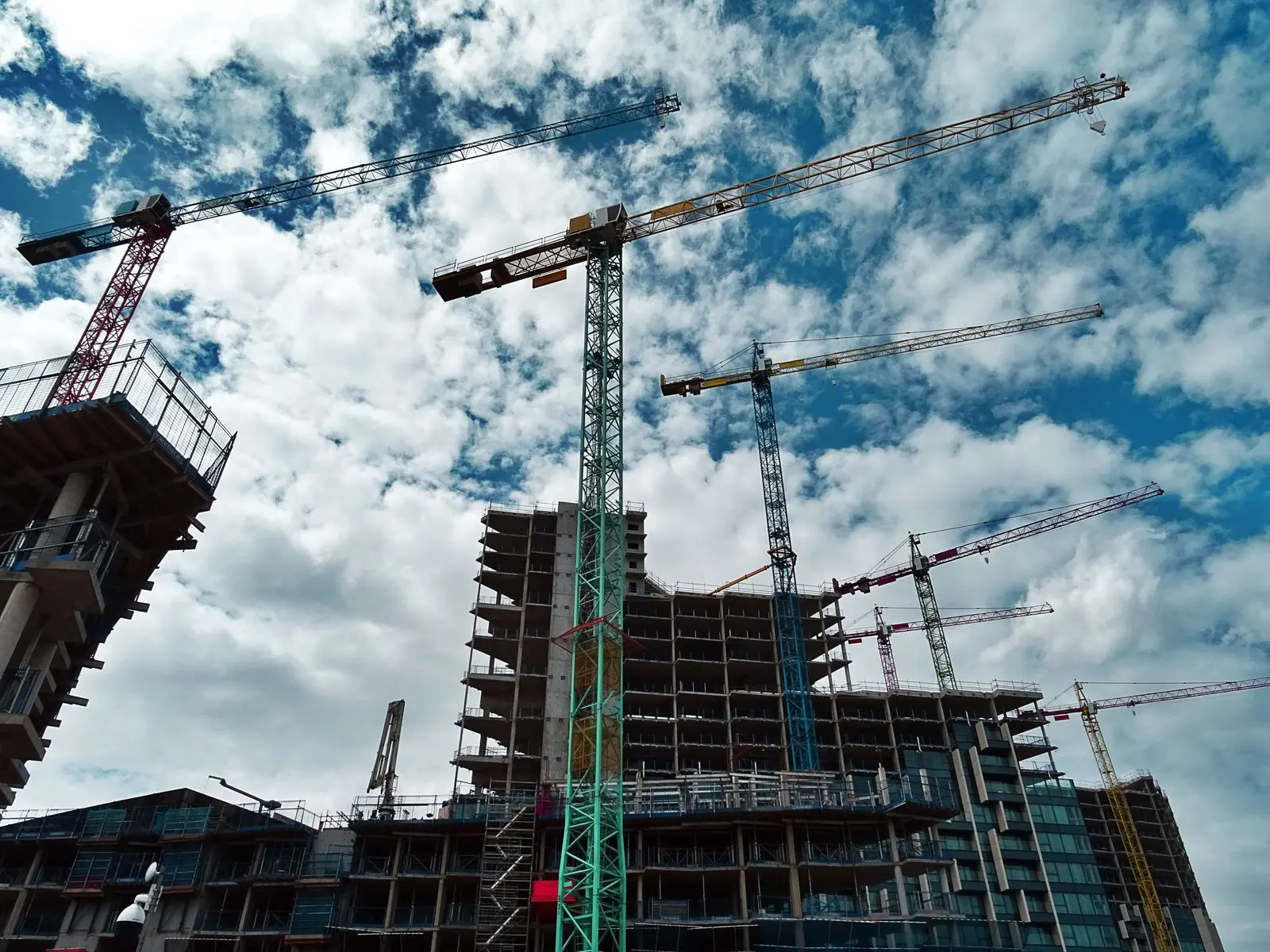
A home construction loan funds building a house on a plot you already own, and it works differently from the home loan used to buy a ready property. The defining difference is disbursement: the bank does not hand over the sanctioned amount as a lump sum. It releases money in tranches tied to construction progress (after the plinth, after each slab, during finishing), verifying each stage before releasing the next. Understanding this rhythm before you start is the difference between a smoothly funded project and a site that stalls waiting for the bank. Here is how the process works for Delhi plot owners.
How Is a Construction Loan Different from a Home Loan?
Three differences matter. First, disbursement is staged rather than upfront, as described above; and you pay interest only on the amount disbursed so far, not the full sanction. Second, the bank requires construction-specific documentation: a sanctioned building plan and a detailed cost estimate, not just a sale agreement. Third, there is a completion deadline; banks typically require construction to finish within a stated period of the first disbursement, after which the loan converts to regular EMIs (many banks offer a pre-EMI arrangement during construction, where you pay only interest on disbursed amounts).
What Are the Eligibility and Margin Requirements?
The plot must have a clear, marketable title in your name; banks will not lend against disputed or unregistered land. The building plan must be sanctioned by MCD before disbursement begins; some banks sanction the loan in-principle earlier, but money moves only after plan approval. On funding, banks finance a substantial share of the construction cost, with the remainder as your margin money; the exact loan-to-value depends on the bank, the loan size, and prevailing norms, so confirm it when comparing lenders. A practical point that surprises many borrowers: banks generally expect you to deploy your margin contribution first, with loan tranches following once your own funds are visibly in the structure.
What Documents Do Banks Ask For?
The standard construction loan file includes: the registered title deed and chain of ownership documents for the plot, the MCD-sanctioned building plan, a detailed construction cost estimate signed by your architect or contractor, the construction agreement with your builder, your income documents (salary slips and Form 16, or business financials), bank statements, and property tax receipts for the plot. Having the cost estimate professionally prepared matters; a vague single-line estimate invites the bank to sanction less than the build actually needs. Our construction cost guide explains what a credible estimate contains.
How Does Stage-Wise Disbursement Actually Work?
After each construction milestone, you submit a disbursement request with proof of progress, typically a stage completion certificate from the architect or engineer, plus site photographs. Many banks also send their own valuer to inspect before releasing the tranche. A typical disbursement pattern runs: a tranche at plinth completion, tranches at each slab, a tranche when brickwork and plastering are done, and final tranches through finishing. The exact split varies by bank and is set out in the sanction letter. Each verification cycle takes time between request and credit, so anticipate the next milestone and apply early rather than letting the site idle.
Common Mistakes That Stall Disbursements
Three mistakes commonly stall construction loans. Deviating from the sanctioned plan; bank valuers compare the site against the approved drawings, and visible deviations freeze disbursement until resolved. Poor documentation discipline; missing stage certificates and undated photos cause avoidable back-and-forth, so keep a dated photo record of every stage as it completes. And paying the contractor ahead of bank tranches out of pocket beyond your margin, which leaves you cash-strapped precisely when the bank's cycle is slowest. Aligning your contractor's payment schedule with the bank's disbursement stages at agreement time prevents this squeeze; our guide to milestone payment schedules shows how, and Nirman Ved can align its milestone schedule with your bank's disbursement stages and supply the stage-wise documentation and dated photographs banks ask for.
What Tax Benefits Apply to Construction Loans?
Interest on a loan taken to construct a house is deductible from income from house property, but with a timing rule: the deduction is available only once construction is complete. Under section 22 of the Income-tax Act 2025 (text as passed by Parliament), which replaced the 1961 Act from 1 April 2026, interest paid during the construction period is not lost; it is claimed in five equal instalments, starting with the tax year in which construction is completed. Principal repayment to a bank or housing finance company counts towards the deduction under section 123 and Schedule XV (the successor to section 80C), within its overall limit. Two cautions: the rules differ for self-occupied versus let-out property, and tax provisions change; confirm current treatment with a chartered accountant. On interest rates, they move with the market and vary across lenders; compare current rates and processing fees from at least three banks rather than relying on any published figure.
Should You Take a Loan or Build in Phases from Savings?
Some Delhi families avoid loans by building in phases: ground floor now, upper floors years later. It avoids interest, but has real costs: construction rates rise over the years, mobilising a contractor for small phases is inefficient, and a half-built home delivers no rental income while land value sits idle. A construction loan that lets you complete a planned structure in one continuous build, with upper floors generating rent that offsets EMIs, can be the stronger financial position. The right answer depends on your cash flows; run both scenarios with real numbers (our cost calculator is a fast starting point) before deciding.
Nirman Ved provides the itemised written estimate, stage-wise documentation and milestone records that construction loans run on, as part of the service rather than as an extra. Planning a build on your plot? Call +91-7838355055 or talk to us and we will help you map the construction schedule to a realistic funding plan.
Ready to Start Your Project?
Get a free site inspection and detailed cost estimate from Nirman Ved.
Get Free Consultation